From Mobile to Shop Floor: Integrating Personalisation into Your Drive-to-Store Strategy
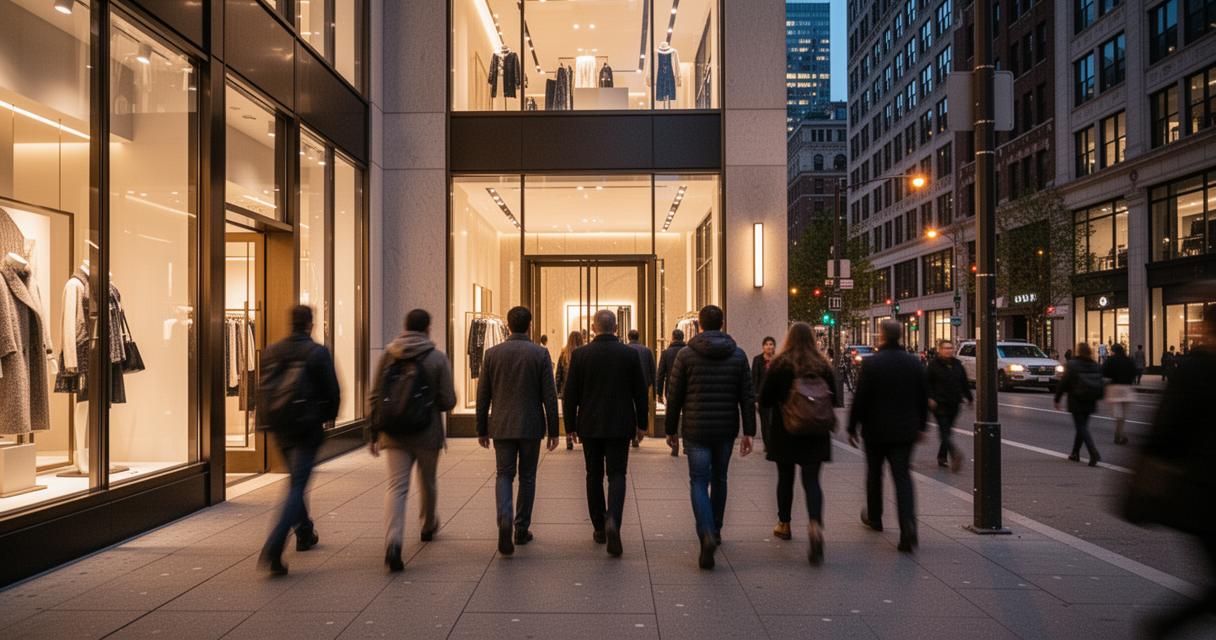
In an era where consumers switch effortlessly between their smartphones and the high street, brands that master the connection between digital touchpoints and physical footfall are gaining a decisive edge. Drive-to-store has emerged as one of the most powerful levers available to retailers seeking to bridge the gap between online engagement and real-world sales. The challenge lies in weaving together personalisation, mobile technology and in-store experience into a coherent, customer-centred strategy.
Key takeaways
- Drive-to-store strategies successfully connect online digital engagement with physical retail footfall by integrating mobile technology and personalized communication.
- Retailers use location-based data and geofencing to send contextually relevant, non-intrusive notifications that encourage customers to visit nearby stores.
- Social media platforms enable brands to run localized campaigns that target consumers based on specific interests and behaviors rather than using generic advertising.
- Providing an excellent in-store experience requires linking digital insights, such as online browsing history, with physical service to ensure a seamless customer journey.
- Click and collect services act as a vital omnichannel tool, combining online convenience with additional in-store sales opportunities if executed efficiently.
- A unified customer data ecosystem is essential for orchestrating consistent cross-channel marketing and delivering the personalization modern consumers expect.
- Localizing engagement strategies by reflecting community characteristics helps convert broader brand awareness into meaningful, measurable store traffic.
Connecting mobile touchpoints to physical store visits
The mobile device has become the primary gateway through which consumers discover, research and ultimately decide to visit a physical store. For retailers, this shift represents both an opportunity and an obligation to rethink how they communicate with customers across digital channels. A well-constructed drive-to-store approach does not simply push generic promotions outward; it draws on data to speak directly to individual consumers at the precise moment they are most likely to act.
Utilising location data for personalised mobile ads
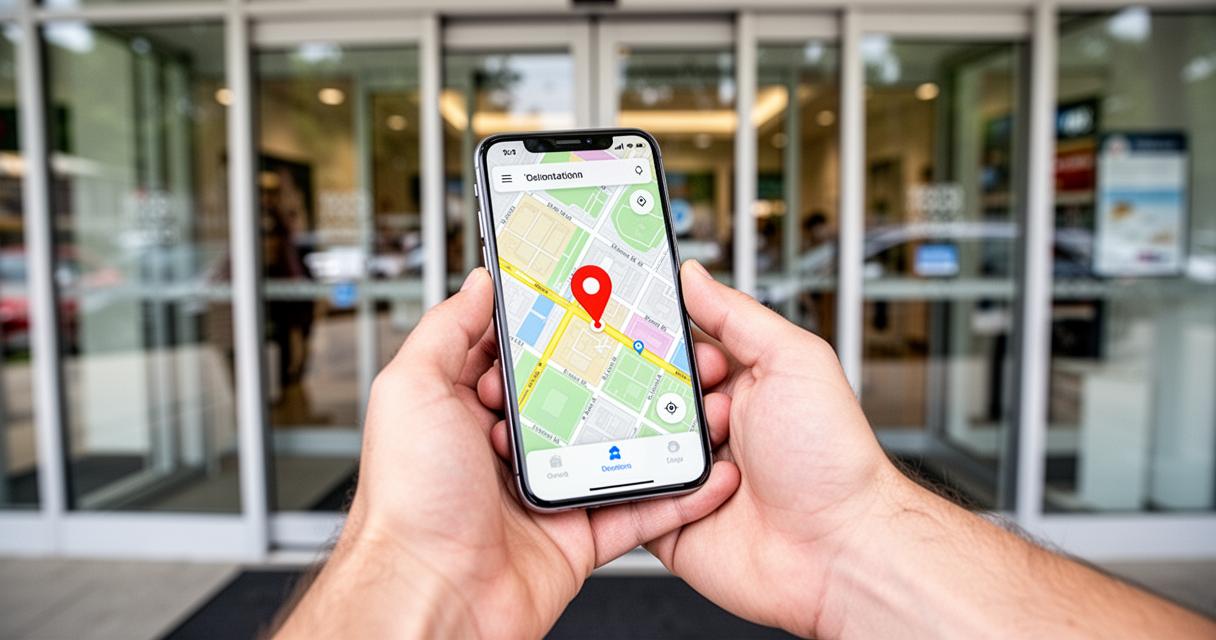
Location data sits at the heart of any effective mobile-first strategy. When a brand understands where its customers are at a given moment, it can serve contextually relevant messages that feel helpful rather than intrusive. Geofencing, for instance, allows retailers to trigger a personalised notification when a potential visitor enters a defined radius around a shop, nudging them towards an in-store visit with a timely offer or a reminder of available services. This kind of proximity-based marketing transforms passive browsing into active footfall, turning the mobile channel into a genuine drive mechanism for physical retail. By refining audience segments and aligning them with local inventory or in-store events, brands can generate meaningful traffic rather than simply impressions.
Crafting tailored messaging across social media networks
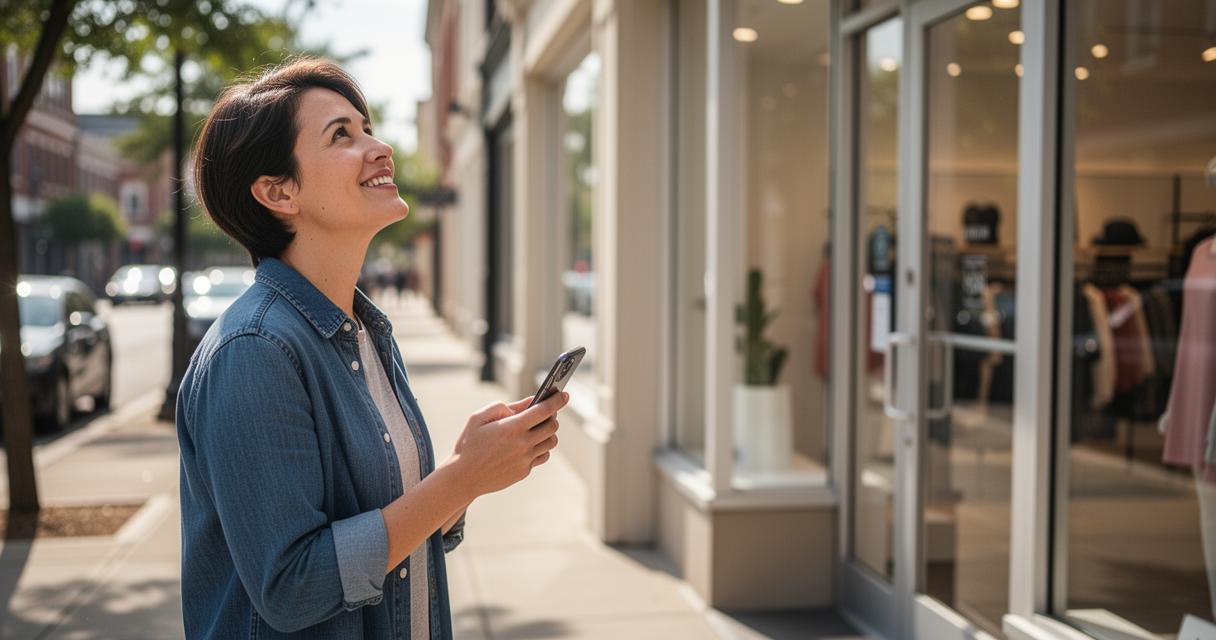
Beyond location-triggered formats, social networks offer sophisticated targeting capabilities that allow brands to reach consumers based on their interests, behaviours and proximity to specific stores. Campaigns run across these platforms can be adapted at a local level, ensuring that the messaging resonates with the different communities surrounding each outlet. A well-executed campaign on social media does not treat all consumers as a homogeneous mass; it segments audiences intelligently and delivers content that speaks to local tastes, seasonal needs or recent browsing habits. This granularity is what separates a scatter-gun communication effort from a truly multichannel strategy with measurable impact on store visits.
Enhancing the In-Store Experience through Digital Insights
Driving customers through the door is only half the battle. The in-store experience must fulfil the promise made by the digital campaign, and ideally exceed it. When brands successfully link the data gathered online with the service delivered on the shop floor, the customer journey becomes genuinely seamless, and loyalty follows naturally from that coherence.
Linking online customer journeys with in-store service
The client who has spent time researching a product online arrives in-store with expectations shaped by that digital experience. Recognising this, forward-thinking retailers are investing in tools that surface online browsing history, wish lists or previous purchases at the point of sale, enabling staff to provide a more informed and personalised welcome. This approach requires a robust relationship between digital and physical teams, as well as the technical infrastructure to share data securely across touchpoints. The result is a shopping experience that feels continuous rather than fragmented, one in which the customer never has to repeat themselves or feel unseen. Strong management of the customer data ecosystem underpins this kind of fluid omnichannel experience, making it essential for brands that wish to compete on service as well as price.
Streamlining Click and Collect for Seamless Fulfilment
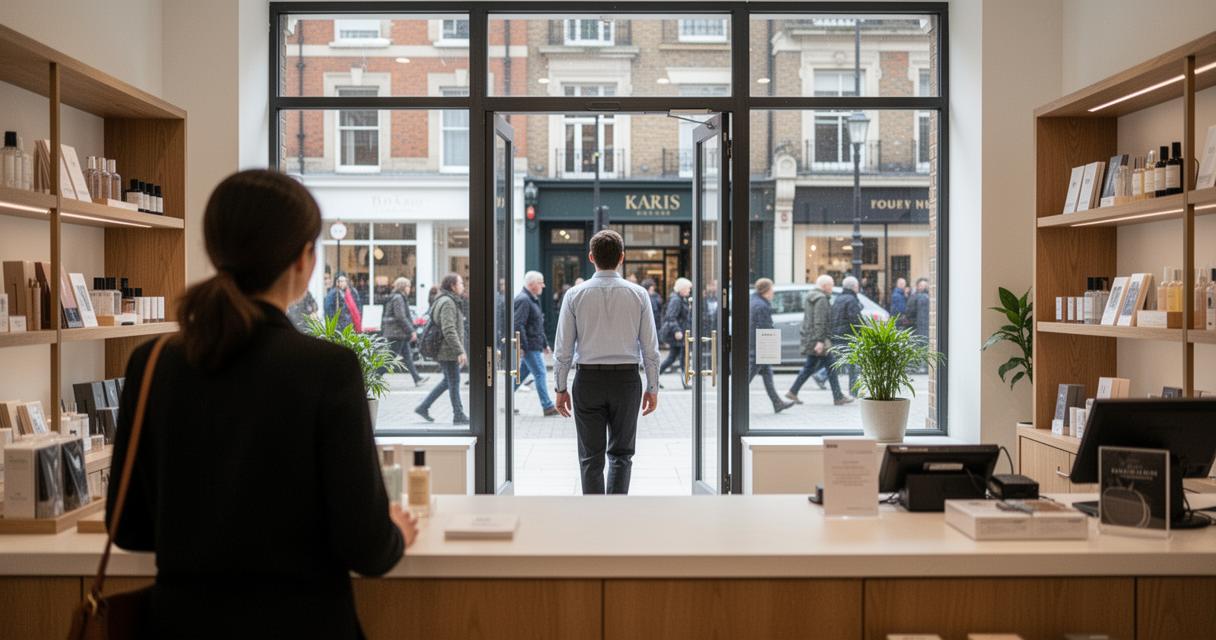
Click and collect has become one of the most tangible expressions of the omnichannel promise. When executed well, it combines the convenience of online purchasing with the immediacy and tactile satisfaction of the physical store. Customers who come to collect an order frequently browse further once inside, making this fulfilment model a proven driver of additional sale opportunities. To capitalise on this behaviour, retailers must ensure that the handover process is swift and frictionless, any delay or confusion at the collection point risks undermining the goodwill built through the digital experience. Investing in clear signage, dedicated collection desks and well-trained staff transforms click and collect from a logistical necessity into a genuine competitive advantage.
Optimising cross-channel campaigns to drive footfall
A truly effective drive-to-store strategy does not rely on a single channel or a solitary campaign burst. It requires the continuous orchestration of multiple touchpoints (mobile, social, email, display and in-store) into a unified plan that guides consumers smoothly from awareness to visit and beyond. Brands that optimize this orchestration consistently outperform those that treat each channel in isolation.
Unifying customer data across omnichannel marketing touchpoints
The foundation of any coherent cross-channel approach is a unified view of the customer. When data collected across channels (from app usage to in-store purchase history) is consolidated into a single profile, brands gain the insight needed to communicate relevantly at every stage of the journey. This unified data layer enables smarter segmentation, more accurate attribution and ultimately a better return on marketing investment. It also supports the kind of personalised communication that modern consumers have come to expect, reducing the risk of fatigue that comes from receiving irrelevant messages across too many points. Building and maintaining this infrastructure demands commitment, but the payoff in terms of customer retention and incremental footfall is substantial.
Refining local engagement strategies for maximum store traffic
National campaigns provide reach, but it is local relevance that converts awareness into a store visit. Tailoring campaigns to reflect the specific character of a neighbourhood (its events, its seasonal patterns, its community concerns) creates a sense of proximity that generic advertising cannot replicate. Local strategies might include geo-targeted social posts, partnerships with nearby businesses, or in-store events that give physical stores a role in the cultural life of their catchment area. These efforts, when integrated with broader omnichannel thinking, form a coherent engagement ecosystem that builds both traffic and long-term loyalty. Ultimately, the most successful drive-to-store strategies are those that treat the physical store not as an endpoint, but as a vibrant node in an ever-evolving multichannel relationship between brand and customer.