The Best ISO 7010 Safety Signs for Construction Site Safety in 2026
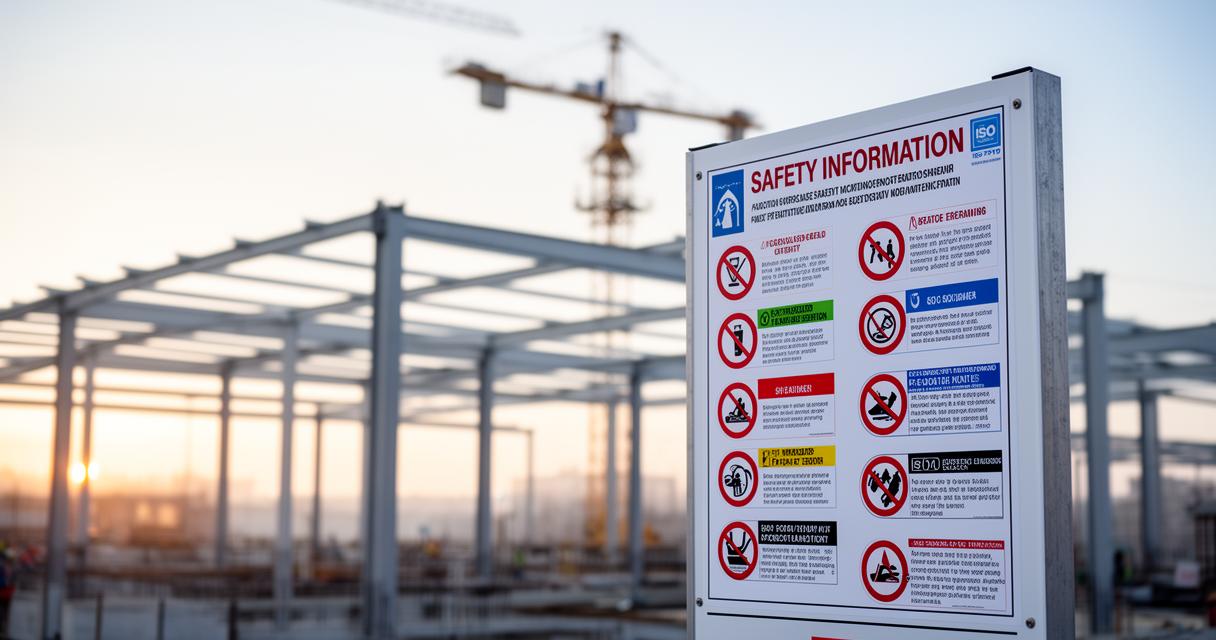
Construction sites across the United Kingdom continue to represent some of the most challenging environments in terms of workplace hazards and the need for effective health and safety measures. As we progress through 2026, ensuring that construction site safety remains paramount requires adherence to the latest standards in safety communication. ISO 7010 safety signs offer a globally recognised framework that facilitates clear and immediate understanding of hazards, mandatory actions, and emergency procedures. These standardised symbols transcend language barriers and provide crucial information that can prevent accidents and save lives. Compliance with UK health and safety regulations, particularly the Health and Safety Regulations 1996, mandates that employers provide clear and effective safety signage across all worksites, making the selection of appropriate and compliant signage a critical responsibility for any organisation operating within the construction sector.
| Category | Seton | Mandatory Signs | Workplace Safety Signs | Fire Exit Signs |
|---|---|---|---|---|
| Primary Function | Leading supplier of ISO 7010 compliant safety signs with extensive catalogue for construction sites | Indicate required safety actions and personal protective equipment (PPE) that workers must undertake | Comprehensive safety communication covering all workplace hazards including warnings, prohibitions, and safe conditions | Guide occupants to safety during emergencies when escape routes are critical |
| Visual Design | Offers all ISO 7010 sign types with various shapes and colours (red circles, yellow triangles, blue circles, green rectangles) | Blue circular design indicating compulsory actions | Five principal types: yellow triangles (warnings), red circles with bars (prohibitions), blue circles (mandatory), green rectangles (safe conditions) | Green backgrounds with white pictograms showing running figures and directional arrows |
| Material Options | Aluminium (outdoor/industrial), PVC (indoor), vinyl stickers, photoluminescent materials for emergency visibility | Must be placed at eye level (approximately 1.6 metres) with good lighting | Various materials suitable for different environments and applications | Photoluminescent (glow in darkness) or illuminated with battery backup; rigid plastic and self-adhesive formats |
| Key Applications | Over 30,000 ISO 7010 pictograms addressing all construction site hazards and requirements | Hard hats, high-visibility clothing, hearing protection, respiratory equipment, safety footwear, behavioural requirements | Electrical hazards, moving machinery, hazardous substances, smoking restrictions, safe routes, assembly points | Emergency exits, fire alarm call points, fire extinguisher locations, assembly points, lift restrictions during fires |
| Regulatory Compliance | Meets UK Health and Safety Regulations 1996 and British Standards Institution requirements | Required by UK safety regulations to indicate specific actions to manage health risks | Complies with Health and Safety Regulations 1996 and European directive 92/58/EEC | Follows ISO 7010 framework (EN ISO 7010:2020) and specific fire safety design standards |
| Pricing & Availability | Operating hours: Monday-Friday, 8:30am-5:30pm; trade accounts available for bulk purchasing | Custom signs available to supplement standard signage for site-specific risks | Custom safety signs can be developed whilst maintaining ISO 3864 design principles | From £1.50 for basic markers; free shipping on orders over £50; bulk purchases save up to 35%; same-day dispatch before 2pm |
Seton
Seton has established itself as a leading supplier of workplace safety solutions throughout the United Kingdom, offering an extensive range of ISO 7010 compliant safety signs tailored specifically for the demanding conditions found on construction sites. The company provides over thirty thousand ISO 7010 pictograms that address a comprehensive array of hazards, ensuring that organisations can source appropriate signage for virtually any risk scenario encountered in the construction environment. Operating from Monday to Friday between half past eight in the morning and half past five in the evening, Seton delivers fast and reliable service, with trade accounts available to facilitate bulk purchasing and ongoing supply relationships. This extensive catalogue and commitment to service make Seton a primary consideration for health and safety professionals seeking to meet mandatory site signage requirements while ensuring workplace safety compliance with current British Standards Institution regulations.
Comprehensive range and industry-leading compliance
The breadth of Seton's product offering reflects the multifaceted nature of construction site safety. With more than thirty thousand distinct ISO 7010 pictograms available, the company addresses the full spectrum of workplace hazards that construction professionals encounter daily. These signs encompass all essential categories required under health and safety regulations, including prohibition signs that prevent dangerous actions, warning signs that alert workers to immediate hazards, mandatory signs that indicate required safety actions or personal protective equipment, safe condition signs that guide workers during normal operations, and emergency escape and fire safety signs that become critical during crisis situations. The ISO 7010 safety signs provided by Seton facilitate construction site safety by ensuring that hazard communication is both immediate and universally understood, a factor that becomes increasingly important on sites employing workers from diverse linguistic backgrounds.
Durability and Practical Application in Construction Environments
Construction sites present unique challenges for safety signage due to constantly changing conditions, exposure to weather, and the rough nature of building activities. Seton addresses these practical concerns by offering signs manufactured in various durable materials suited to different applications and environments. Aluminium signs provide robust solutions for outdoor and industrial settings where weather resistance and longevity are essential. PVC options offer reliable performance for indoor applications where conditions are more controlled. Vinyl stickers serve well on smooth surfaces and temporary installations. Photoluminescent materials ensure critical signs remain visible during power failures or emergency situations when lighting may be compromised. This variety in materials allows health and safety managers to select appropriate signage based on specific site conditions and regulatory requirements. The signs must be placed at eye level, approximately one point six metres from the ground, with adequate lighting to ensure visibility, and Seton's range accommodates these placement standards. Furthermore, whilst standard signs cover most scenarios, custom safety signs can supplement existing signage to address site-specific risks, provided they adhere to established design principles within the ISO 7010 framework to maintain clarity and avoid confusion.
Construction site signs
Construction site signs represent a critical component of any comprehensive health and safety strategy, serving as the frontline communication tool between management and workers regarding the various risks present in these inherently hazardous environments. The ISO 7010 standard provides a framework that ensures these signs are easily understood internationally, a particularly valuable feature given the increasingly global nature of construction workforces. Signs help prevent injuries by clearly communicating both the nature of hazards and the required safety actions, creating a layered safety communication system that addresses multiple risks simultaneously. Under UK health and safety regulations, employers bear a legal responsibility to provide clear safety signage that meets British Standards Institution requirements, ensuring legal compliance whilst simultaneously protecting workers from harm. The continuous updates to the ISO 7010 standard, which was originally published in two thousand and three, approved in two thousand and eleven, and most recently updated in two thousand and nineteen, reflect ongoing efforts toward global harmonisation and responsiveness to emerging safety concerns.
Standardised communication across diverse workforces
One of the principal advantages of ISO 7010 safety signs lies in their capacity to communicate essential safety information across language barriers. Construction sites frequently employ workers from numerous countries, each bringing their own linguistic background to the workplace. Traditional text-based signage can create dangerous gaps in understanding, whereas the internationally recognised symbols prescribed by the ISO 7010 standard ensure immediate comprehension regardless of the viewer's native language. This universal approach to hazard communication significantly reduces the risk of accidents caused by misunderstanding or lack of awareness. The standard distinguishes signs through different shapes and colours, with prohibition signs featuring red circles with diagonal bars, warning signs displayed in yellow triangles, mandatory signs shown as blue circles, emergency and safety information presented in green rectangles, and fire safety signs indicated by red rectangles. This colour and shape coding provides additional visual cues that reinforce the nature of the information being conveyed, creating multiple pathways for comprehension even in high-stress or emergency situations.
Regulatory framework and legal obligations
Compliance with ISO 7010 standards is not merely a matter of best practice but a legal requirement in many jurisdictions, particularly for international firms operating across multiple territories. In the United Kingdom, the Health and Safety Regulations 1996 explicitly require employers to provide clear safety signage, and adherence to ISO 7010 ensures that this legal obligation is met in a manner consistent with both national and European requirements. The European directive ninety-two stroke fifty-eight stroke EEC mandates that all European employers provide appropriate safety signage, reinforcing the legal imperative for compliance. Failure to meet these standards can result in significant legal and insurance complications, particularly in the event of workplace accidents where inadequate signage may be deemed a contributing factor. The British Standards Institution regulations provide the specific framework within which UK construction sites must operate, and ISO 7010 compliance represents the most straightforward path to meeting these obligations. Construction sites require flexible safety signage solutions that can adapt to changing conditions as building progresses, and the modular nature of ISO 7010 compliant signs allows for this necessary adaptability whilst maintaining consistent regulatory compliance throughout all phases of construction activity.
Mandatory signs
Mandatory signs constitute a vital category within the ISO 7010 framework, distinguished by their blue circular design and their specific function of indicating required safety actions that workers must undertake. These signs typically communicate the necessity for personal protective equipment or specific behaviours that are compulsory within designated areas of the construction site. The blue circular format immediately signals to workers that the information presented is not advisory but obligatory, creating clear expectations for behaviour and equipment use. UK safety regulations require signs to indicate specific actions to manage health risks, and mandatory signs fulfil this requirement by removing ambiguity about what is expected in terms of safety compliance. The placement of mandatory signs at eye level, approximately one point six metres from the ground, with good lighting ensures maximum visibility and reinforces the importance of the instructions they convey. Construction sites present numerous scenarios where mandatory signage becomes essential, from areas requiring hard hats and high-visibility clothing to zones where hearing protection or respiratory equipment must be worn.
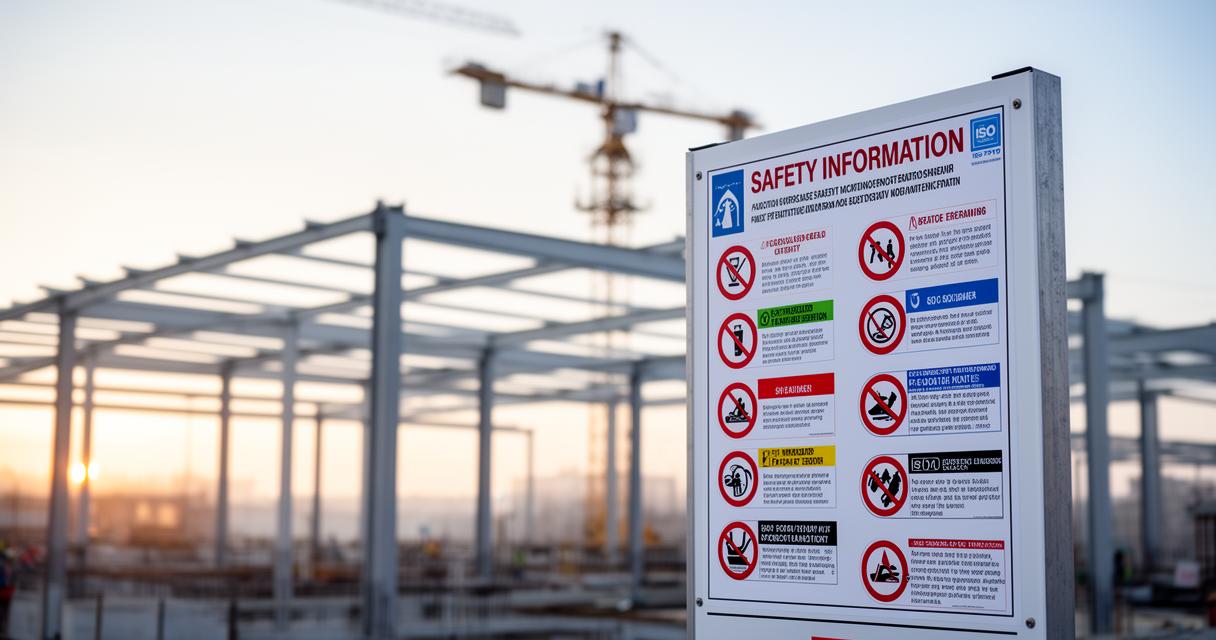
Personal protective equipment communication
The primary function of many mandatory signs in blue circles is to communicate personal protective equipment requirements clearly and unambiguously. Construction sites expose workers to various hazards that can be mitigated through appropriate protective equipment, and mandatory signs ensure that these requirements are visible and understood at the point of entry to hazardous areas. Signs indicating the need for hard hats protect against falling objects and head injuries, whilst those requiring high-visibility clothing ensure workers remain visible to machinery operators and colleagues. Hearing protection signs become necessary in areas where noise levels exceed safe thresholds, preventing long-term hearing damage. Respiratory protection signs mark zones where dust, fumes, or other airborne hazards require appropriate filtering equipment. Safety footwear signs indicate areas where reinforced or slip-resistant boots are necessary to prevent foot injuries or falls. The standardised symbols used in these mandatory signs ensure immediate recognition and comprehension, eliminating potential confusion that might arise from text-based instructions. This clarity is particularly crucial on construction sites where multiple subcontractors and temporary workers may be present, each requiring immediate understanding of protection requirements without extensive site-specific training.
Behavioural requirements and access control
Beyond personal protective equipment, mandatory signs also communicate required behaviours and access control measures essential to construction site safety. These signs might indicate that workers must wash their hands in certain areas, particularly where hazardous substances have been handled. They may require that equipment be switched off before maintenance, preventing accidents during servicing operations. Mandatory signs can indicate that barriers must be closed, that certain procedures must be followed before entering confined spaces, or that specific routes must be used to navigate the site safely. The layered safety communication that construction sites require to address multiple risks simultaneously often involves combinations of mandatory signs that together create a comprehensive picture of safety requirements. Custom safety signs can supplement standard mandatory signs to address site-specific risks, provided they adhere to the established design principles within ISO 7010 to maintain clarity. The continuous updates to the ISO 7010 standard reflect new safety concerns and global harmonisation efforts, ensuring that mandatory signs remain relevant to current construction practices and emerging hazards. Accident prevention remains the primary goal of all health and safety signs, and mandatory signs serve this goal by establishing clear, non-negotiable expectations that reduce the likelihood of preventable injuries.
Workplace safety signs
Workplace safety signs extend beyond the immediate construction environment to encompass all areas where employees and visitors may be present, creating a comprehensive safety communication system that addresses the full range of potential hazards. Ensuring employee safety remains a priority for organisations across all sectors, and clear safety signage represents a fundamental component of any effective safety programme. The ISO 7010 standards provide a global framework for safety symbols that ensures consistency across different locations and contexts, facilitating immediate understanding regardless of where the signs are encountered. Safety signs are categorised into five principal types, each serving a distinct communication function: emergency exit signs guide evacuation during crises, fire safety signs provide critical information about fire protection equipment and procedures, mandatory signs indicate required actions or equipment, prohibition signs prevent dangerous behaviours, and warning signs alert to immediate hazards. This categorisation allows for systematic deployment of signage that addresses all aspects of workplace safety in an organised and comprehensible manner.
Hazard identification and warning systems
Warning signs play a crucial role in workplace safety by alerting workers to immediate hazards before they enter dangerous areas or begin potentially risky activities. These signs typically feature yellow triangular designs that draw attention and signal caution. Construction sites present numerous scenarios requiring warning signs, from electrical hazards and overhead loads to slippery surfaces and confined spaces. The symbols used in warning signs communicate the nature of the hazard without relying on text, ensuring rapid comprehension even in emergency situations where time for reading may be limited. Signs warning of deep water or electrocution risks prevent workers from inadvertently exposing themselves to severe dangers. Those indicating moving machinery alert personnel to keep clear of equipment that could cause crushing or impact injuries. Warning signs for hazardous substances mark areas where chemicals, asbestos, or other dangerous materials require special precautions. The placement of warning signs must follow established standards to ensure effectiveness, positioned at eye level with adequate lighting and installed before workers reach the hazardous area to allow time for appropriate response. The ISO 7010 framework's emphasis on internationally agreed symbols ensures that these warnings are understood by workers regardless of their linguistic background, a critical factor in preventing accidents on diverse construction sites.
Prohibition and safe condition guidance
Prohibition signs serve the essential function of preventing dangerous actions by clearly indicating what must not be done in specific areas or circumstances. These signs feature red circles with diagonal bars, a design that universally communicates restriction. Common prohibition signs on construction sites include those forbidding smoking in areas where flammable materials are stored, prohibiting entry to unauthorised personnel, preventing the use of mobile phones in certain zones, or forbidding access to areas undergoing hazardous operations. The clarity provided by prohibition signs removes ambiguity about restricted behaviours, supporting compliance with safety protocols. Safe condition signs complement warning and prohibition signage by providing positive guidance about safe routes, assembly points, and normal operating procedures. These signs use green rectangles to indicate safety information, guiding workers toward safe behaviours and locations rather than merely restricting dangerous ones. Safe condition signs might indicate emergency exits during normal operations, show the location of first aid equipment, or mark safe assembly points for evacuation. The combination of prohibition, warning, mandatory, and safe condition signs creates a comprehensive communication system that addresses multiple risks simultaneously, essential for the complex and evolving environment of construction sites. Custom safety signs can be developed to address specific risks not covered by standard signage, provided they maintain consistency with ISO 3864 design principles to avoid confusion and ensure immediate comprehension.
Fire exit signs
Fire exit signs represent one of the most critical categories of safety signage, serving the vital function of guiding occupants to safety during emergency situations when clear escape routes can mean the difference between life and death. These signs must remain visible during emergencies when normal lighting may fail, which is why many fire exit signs incorporate photoluminescent materials that glow in darkness after exposure to light. Fire exit signs follow specific design standards established within the ISO 7010 framework, typically featuring green backgrounds with white pictograms showing running figures and directional arrows. The standardisation of fire exit sign design ensures that occupants can immediately recognise escape routes regardless of which building or site they occupy, eliminating confusion during the stress of emergency evacuation. Fire safety signs more broadly encompass not only exit indicators but also signage identifying fire alarm call points, fire extinguisher locations, fire blanket positions, and assembly points where evacuees should gather once outside. This comprehensive approach to fire safety signage ensures that occupants have access to all information necessary to respond appropriately during fire emergencies.
Visibility requirements and material specifications
The effectiveness of fire exit signs depends critically on their visibility under all conditions, including during power failures when artificial lighting ceases to function. Photoluminescent signs address this requirement by absorbing light energy during normal conditions and emitting it when darkness falls, maintaining visibility for extended periods without electrical power. These signs must be manufactured to specific standards that govern the intensity and duration of their luminescence, ensuring they remain visible long enough for complete evacuation. Illuminated fire exit signs represent an alternative approach, incorporating integral lighting that activates automatically during power failures through battery backup systems. Both photoluminescent and illuminated signs must be positioned according to established placement standards, typically at eye level or above doorways, with sufficient signs along escape routes to guide evacuees even when smoke or darkness obscures distant markers. The spacing of fire exit signs follows regulations that ensure visibility from any point along escape routes, preventing situations where evacuees might become disoriented. Materials used for fire exit signs must be durable and resistant to environmental factors that might degrade their effectiveness, with rigid plastic and self-adhesive formats available to suit different installation requirements. Sign prices for basic fire exit markers begin from as little as one pound fifty, making compliance with fire safety signage requirements accessible even for organisations with limited budgets, though more sophisticated illuminated or photoluminescent options command higher prices commensurate with their enhanced functionality.
Integration with emergency evacuation procedures
Fire exit signs function most effectively when integrated within comprehensive emergency evacuation procedures that ensure all occupants understand escape routes and assembly points before emergencies occur. The signs themselves provide guidance during crisis situations, but their effectiveness multiplies when occupants have received appropriate training and are familiar with evacuation protocols. Fire safety signs indicating emergency alarm call points must be positioned where they can be readily accessed and activated by anyone discovering fire, whilst signs marking fire extinguisher locations enable trained personnel to tackle small fires before they develop into major incidents. However, signs warning against the use of lifts during fire emergencies prevent occupants from becoming trapped in elevator shafts when power fails. The green rectangle format used for safe condition signs extends to fire safety applications, with assembly point signs guiding evacuees to designated gathering areas where headcounts can be conducted to ensure all personnel have safely escaped. Fast free shipping on orders over fifty pounds, with same day dispatch if ordered before two in the afternoon, facilitates rapid deployment of fire exit signs when new sites are established or existing signage requires replacement. Bulk purchases can save up to thirty-five percent, making comprehensive fire safety signage economically viable for large construction projects or organisations managing multiple sites. The current version of ISO 7010, designated as EN ISO 7010:2020, includes updated symbols addressing natural disasters and emergency situations, ensuring that fire exit signs and related emergency signage reflect the latest understanding of effective emergency communication. Fire exit signs must remain visible during emergencies and follow specific design standards that have been refined through decades of experience and research into effective evacuation procedures, representing a critical investment in occupant safety that no responsible organisation can afford to overlook.